Phone:
(701)814-6992
Physical address:
6296 Donnelly Plaza
Ratkeville, Bahamas.

Phone:
(701)814-6992
Physical address:
6296 Donnelly Plaza
Ratkeville, Bahamas.
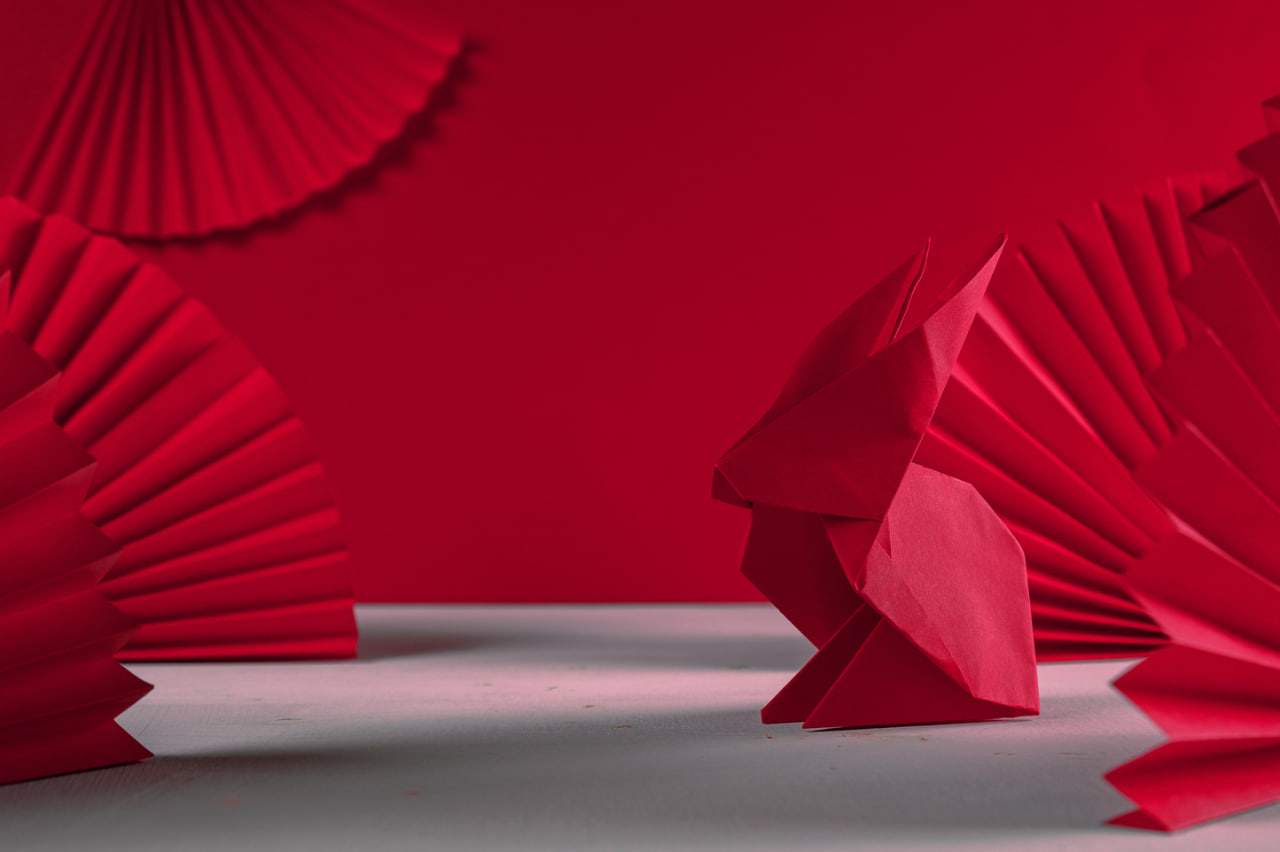
Paper sculpture is the art of transforming a flat, fragile material into a stable three-dimensional form. Unlike drawing or painting, it requires an understanding of structure, balance, and spatial logic. Mastering fundamental paper sculpture techniques allows artists to move beyond decorative folding and into purposeful construction, where every crease and cut contributes to the final form.
This guide explores the core techniques that serve as the foundation for paper sculpture, helping beginners and developing artists build confidence, control, and creative flexibility.
Understanding Paper as a Sculptural Material
Before learning techniques, it is essential to understand paper itself. Paper reacts to pressure, direction, and repetition. It can be flexible or rigid, delicate or surprisingly strong, depending on how it is handled.
Paper has a natural grain, which influences how it bends and folds. Folding with the grain produces smoother edges, while folding against it creates resistance and texture. Recognizing these properties allows sculptors to predict how paper will behave and plan structures that remain stable over time.
Weight, thickness, and surface finish also play a role. Thinner paper responds easily to complex folds, while heavier paper is better suited for structural elements and load-bearing forms.
Folding as the Core Structural Technique
Folding is the backbone of most paper sculptures. Unlike decorative origami, sculptural folding is often functional, used to create strength, direction, and volume.
Valley folds and mountain folds form the basic language of paper construction. Repeating folds in a consistent pattern creates rigidity, while alternating folds allow for curvature and organic shapes. Precision is critical, as inaccurate folds weaken the structure and disrupt visual harmony.
Scoring folds before bending helps maintain sharp edges and prevents tearing, especially with thicker paper. Over time, artists learn how pressure, angle, and repetition influence the final form.
Cutting and Shaping for Dimensional Control
Cutting is used to introduce openness, movement, and complexity into paper sculptures. Strategic cuts allow paper to expand, overlap, and interlock, transforming flat surfaces into layered volumes.
Straight cuts create clean architectural lines, while curved cuts soften edges and introduce organic flow. Negative space, created through cutouts, is just as important as the solid form, guiding the viewer’s eye and adding visual rhythm.
Controlled cutting requires planning. Random or excessive cuts weaken paper, while intentional placement enhances both strength and expression.
Layering and Assembly Techniques
Layering multiple paper elements adds depth and structural reinforcement. By stacking, overlapping, or interweaving layers, artists can build complex forms from simple components.
Assembly techniques include slotting, tabbing, and modular construction. These methods reduce reliance on adhesives while increasing stability. Modular systems, in particular, allow sculptures to grow organically through repetition, making them ideal for large-scale or evolving works.
Careful alignment during assembly ensures that layers support rather than fight against each other, preserving the integrity of the sculpture.
Creating Strength Through Geometry
Geometry is a powerful tool in paper sculpture. Triangles, folds with angles, and repetitive patterns distribute stress evenly across the structure. Even delicate paper can support surprising weight when shaped into geometric forms.
Cylinders, cones, and folded ridges provide natural reinforcement. Understanding how shapes interact allows sculptors to design forms that stand, curve, or cantilever without collapsing.
This structural awareness separates sculptural paper work from purely decorative craft.
Working With Curves and Organic Forms
While paper naturally prefers straight lines, it can be trained into smooth curves through gradual folding, rolling, and layered construction. Creating curves requires patience and controlled pressure rather than force.
Curved forms often rely on a series of small folds or segments rather than a single bend. This approach maintains surface tension and prevents creasing or cracking.
Organic paper sculptures benefit from asymmetry, allowing the material to express movement and fluidity while remaining structurally sound.