Phone:
(701)814-6992
Physical address:
6296 Donnelly Plaza
Ratkeville, Bahamas.

Phone:
(701)814-6992
Physical address:
6296 Donnelly Plaza
Ratkeville, Bahamas.
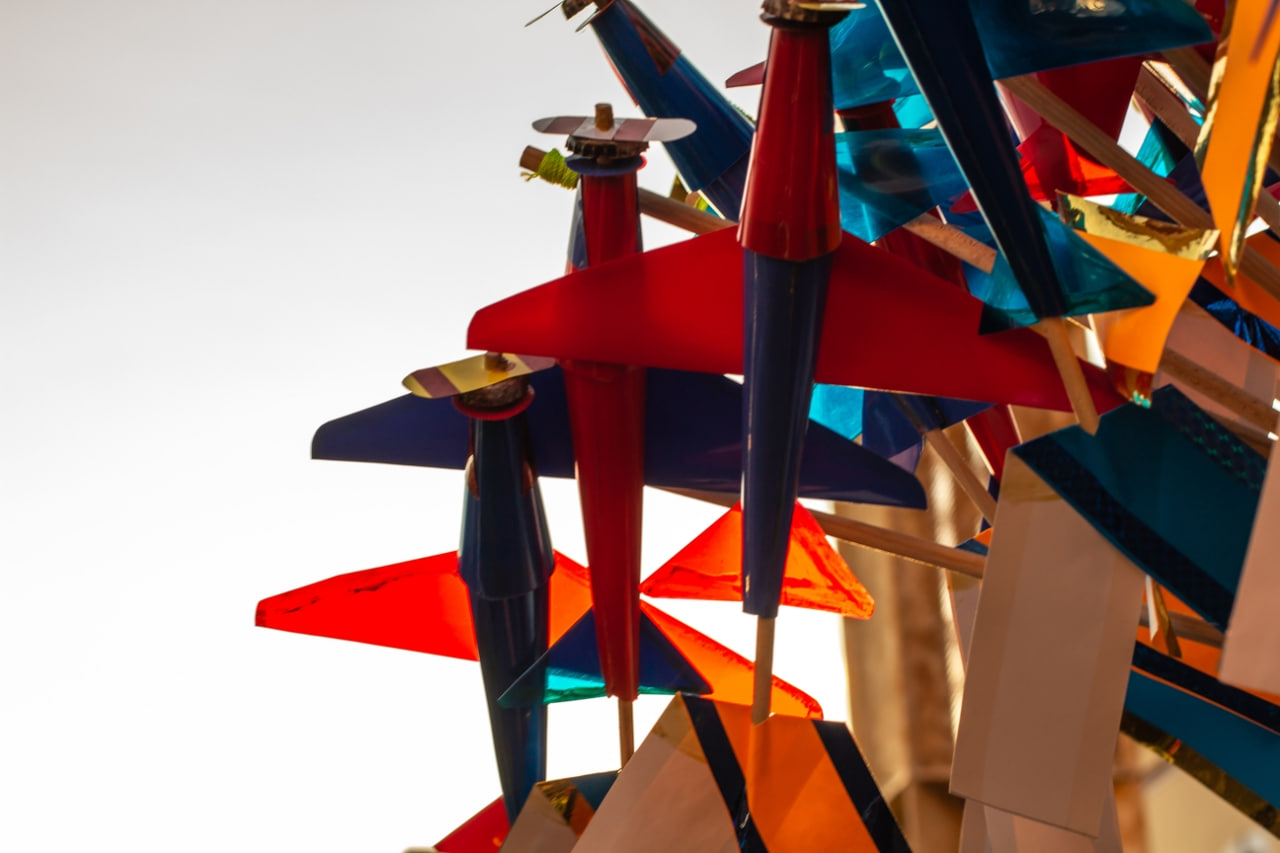
In addition to technical skills, paper sculpting is also a conceptual process. Tools and materials aid the creation of the sculpture, but the concepts and ideas guide the paper sculpture to what it is meant to be. Knowledge of the creative process allows an artist to proceed from an abstract idea to a concrete and deliberate creation with a form, message, or theme.
I begin to create ideas for paper sculpture through looking at something, thinking about it, and then trying things. The work allows technique to become voice, and form to become narrative.
Sources of Motivation and Beginning Points
Inspiration can be derived from any number of things such as nature, architecture, dance, geometry, or emotions. In paper sculpture, the inspiration does not have to be visual. It can start with a word, a feeling, or a question about form and space.
Instead of trying to find a complete idea, it can be helpful for artists to find a starting point. This could be a fold they like to repeat, a curve, a fascination with balance, a fascination with tension. It’s helpful to start small and let an idea develop as you make.
When your inspiration is fluid you avoid creative constipation and you can start to play around.
The Process of Bringing Concepts to Life
There has to be an interpretation when you go from an idea to a sculpture. When you draw on paper, you have to work within the confines of the paper, so it makes the idea evolve into something else.
There’s a reason why sketching is part of the design process — it allows us to explore relationships between forms, where diagrams or abstract marks help visualize structure, to experiment with proportions, and to ultimately get an idea of how a product might look without investing too much in any one design. In fact, in some instances, the first physical prototype becomes the most important stage of development.
Sometimes the design of a paper sculpture changes in the process of making it. I may alter a fold, or cut, or modify the proportions as the sculpture begins to take shape.
Testing & Refining
“Part of creativity is experimentation,” she continues. “Paper is a wonderful medium for quickly and inexpensively exploring an idea. With paper, an artist can do small studies of different shapes and constructions and motions without having to produce a whole work of art.”
Repetition helps refine an idea. By repeating a form and changing it, you can see what is successful and what isn’t, you can understand what you mean to do and can hone your visual vocabulary. One iteration helps the next.
This is what I love about the process of iteration. It means that your mistakes are data, not errors.
A key to effective art making is finding the right equilibrium between concept and technique. Some artists prioritize conveying their message or idea over skill, believing that how something is said shouldn’t overshadow what is being said. Others argue that artistic skills are overrated and misinterpreted, with technique not being as important as the message it’s used to express. However, technique can also be a form of expression and can play a role in shaping the content. Ultimately, the importance of technique depends on one’s purpose and values.
Paper sculptures, when strong, are a combination of both strong concept and technical mastery. If a paper sculpture is highly conceptual, but not well constructed, the work is compromised; likewise, if it is technically flawless but lacks content, it rings hollow.
Decide as an artist what elements of the piece support the idea and what elements can be reduced or omitted. Refine the piece to prevent over detail and maintain focus.
Form must serve content.
Visual Language is all about personal expression. Experimenting with different visual languages and developing one’s own personal style requires constant exploration. “My [graphic design] process is to keep working, keep pushing, and keep trying things out,” says Baxter. It’s all about what works and what doesn’t.
And with each decision of form, structure, and process over time, a designer develops a personal visual language, one that might be characterized by signature folds, repetitive shapes, or a particular way of using space and balance.
But you don’t have to try to be original to develop your own unique style. It happens by itself when you just do what feels natural and right and you keep doing it over and over again. You simply notice that some things come more easily than others and you feel a stronger connection to them than to other things.
With paper sculpture, there are so many options. You can express your individuality with small details.
Form and Space as a Concept
Form and space, like other visual elements, can have symbolic meanings and expressive qualities. A closed form may connote security or confinement. An open form may suggest instability or mobility.
Negative space could be a void, a passage, a joining point. Repetition could mean beat, or persistence. Fragmentation could mean discord, clash.
Form and space, as conceptual tools, further expand the artistic potential of paper sculpture.
Reflection and Critical Evaluation.
Reflection is the often forgotten final stage of the creative process. Once a product is complete, it is important to reflect on the effectiveness of the idea.
He asks himself: what do I feel worked well, what feels unfinished, how does the sculpture read? Photographing or writing down his process allows him to look back and see his evolution.
To do both, and to refine your technical skills and your ideas, you have to be critical of your work.