Phone:
(701)814-6992
Physical address:
6296 Donnelly Plaza
Ratkeville, Bahamas.

Phone:
(701)814-6992
Physical address:
6296 Donnelly Plaza
Ratkeville, Bahamas.
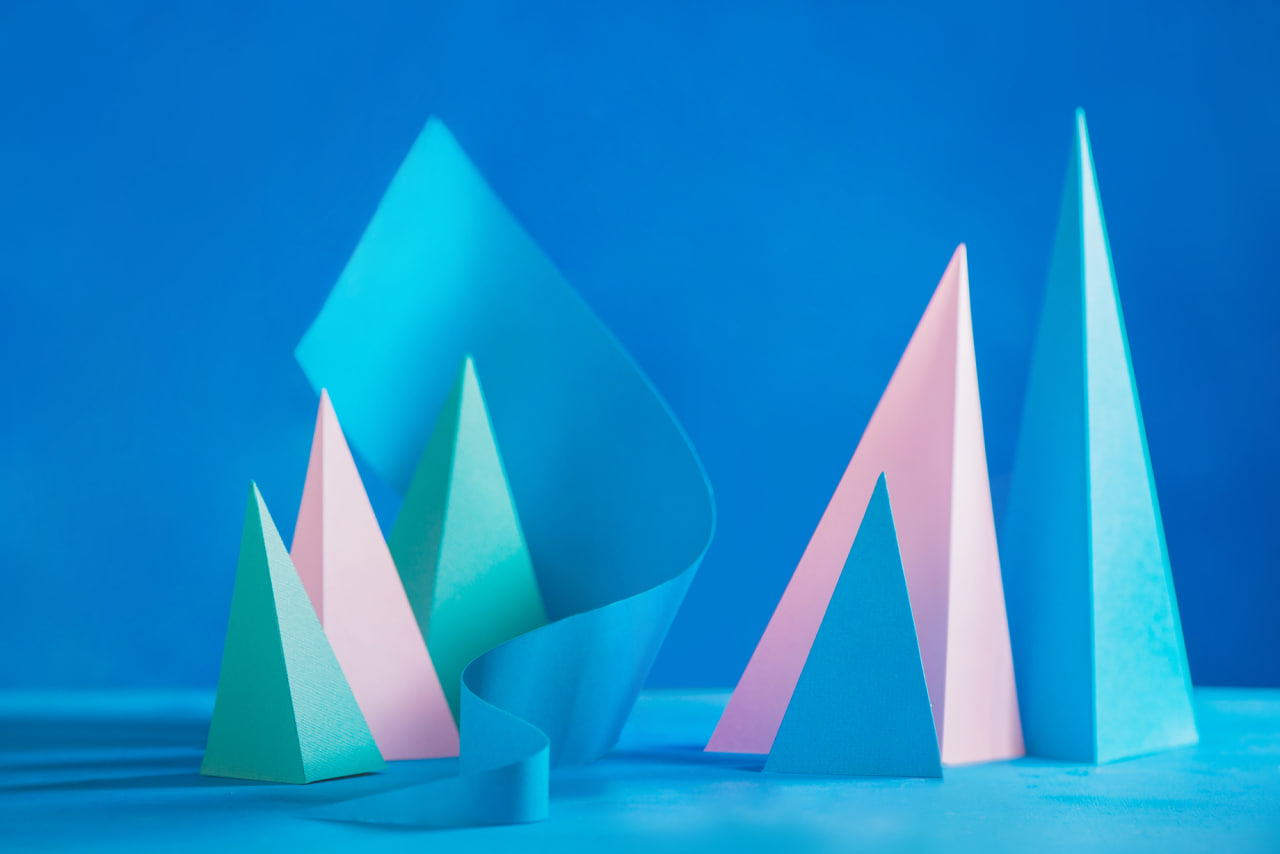
Form, volume and space are the building blocks of three dimensional art. In paper sculpture, these three aspects are particularly apparent since the paper begins as two-dimensional and is modified into three-dimensional. It is through the comprehension of the way in which forms fill a space, how volumes are created, and negative space interacts with positive that paper sculptures are able to appear meaningful, harmonious and communicative.
It’s a technical exploration, but it’s also a conceptual one. It teaches the viewer to look past the surface embellishments and understand the three-dimensional possibilities of paper as an artist’s material.
Form refers to the overall three-dimensional shape of a paper sculpture. This can be achieved through various techniques such as folding, cutting, or scoring, which allow you to manipulate the paper into different forms and create depth. When working with form, consider the positive and negative space within your design. Positive space is the area occupied by the subject of your artwork, while negative space is the empty space around and between the subject. Balance is key when dealing with form. Ensure that your paper sculpture does not become too bulky or heavy in one area, and maintain a sense of harmony between the different elements. Experiment with different folds and cuts to create interesting and visually appealing forms.
Form is the total three-dimensional quality of a work of art. In paper, form can be created by folding, cutting, layering, and construction. Paper starts as a sheet and must be constructed rather than carved from a mass (as with clay or stone).
A cube, a cylinder, or a cone are usually the first examples of forms to try. The clean geometry of simple shapes gives the paper model structure and stability, and helps the artist learn how the paper will react when confined within a three dimensional space. As confidence is gained, more abstract, irregular or organic forms can be explored.
Form clarifies the shape of a sculpture. Its absence can make a work feel shaky or confusing to look at, no matter how well-made it is.
Determining Volume of Solid Objects from 2D Materials
Volume refers to the feeling of mass and fullness of a three dimensional form. The creation of volume in paper requires finesse, not brute force. Folding creates volume by adding structure from within. Layering and separating creates volume from without.
In place of mass, paper sculptors frequently exploit the expressiveness of paper to imply weight through surface tension and containment. Airy vessels can appear substantial while remaining lightweight, conveying the illusion of mass.
Proportion is key. Something too large can engulf a sensitive framework, too many small parts can diffuse the energy. Understanding how to manipulate proportion is crucial for believable sculptural volume.
This is why the concept of negative space has a name, and is a vital part of design. Negative space is the area between, around and in objects in your design. When used effectively, negative space can guide the viewer’s eye through the design and create a clear visual hierarchy. It’s also an opportunity to create a visually appealing pattern or shape, giving the design even more interest.
Negative space refers to the space that exists between, around, and through a three-dimensional object. In paper sculpture, negative space is every bit as essential as the paper itself. Cuts, holes, and windows permit the passage of light, expose interior details, and add to the illusion of depth.
Negative space in a sculpture, when properly applied, will prevent the work from appearing weighty or cluttered. It will draw the viewer’s eye to a particular focal point, and add breathing space to the composition. In other pieces, the negative space may be the single element that determines the interpretation of the piece as one moves around it.
One of the main functions of negative space is that it helps an artist see spaces between objects, thus directing him to see in terms of relationships instead of viewing things as separate objects.
Spatial Balance and Stability – The visual balance of an image and the perceived stability of objects within it.
The balance of a paper sculpture is about the way it sits in the space around it. When a paper sculpture has good balance it will feel solid and deliberate, even if it’s quite flimsy or lopsided.
There is balance with symmetry, but it can be more interesting with asymmetry. The use of counterweight, mass and relationship to gravity play a role in both the physical balance of a sculpture as well as its visual balance.
In paper sculpture, physical and visual balance are interrelated. A piece that appears to be unbalanced usually is unbalanced, so an awareness of space is as necessary as it is desired.